To the untrained eye, a modern port is a chaotic symphony of noise and motion. Towering cranes, bustling trucks, and colossal ships create a scene of overwhelming industrial might. Yet, the true protagonist of this global ballet is a simple, unadorned rectangular box: the shipping container. Its story, one of humble origins and revolutionary impact, is the silent narrative of our modern, interconnected world.
To the untrained eye, a modern port is a chaotic symphony of noise and motion. Towering cranes, bustling trucks, and colossal ships create a scene of overwhelming industrial might. Yet, the true protagonist of this global ballet is a simple, unadorned rectangular box: the shipping container. Its story, one of humble origins and revolutionary impact, is the silent narrative of our modern, interconnected world.
The world before the standardized container was one of inefficiency and exorbitant cost. Cargo was loaded piece by piece—a backbreaking, time-consuming process known as “break-bulk” shipping. Sacks of coffee, crates of machinery, and barrels of goods were manually hauled by longshoremen from docks into the holds of ships, a operation that could take days or even weeks. Theft, damage, and delays were rampant. Ports were perpetually congested, and the cost of shipping was a significant barrier to international trade.
The revolution arrived not from a shipping magnate, but from a North Carolina trucker named Malcom McLean. In the 1950s, frustrated with the delays and costs of coastal shipping, he conceived a simple yet radical idea: what if a truck’s trailer could be detached from its chassis and directly loaded onto a ship, without its contents being touched? This was the genesis of containerization. McLean’s genius lay not just in the box itself, but in its standardization. He developed the now-ubiquitous dimensions, the reinforced corner castings, and the universal locking mechanisms that allowed these “giants” to be stacked, lifted, and transported seamlessly across trucks, trains, and ships.
The global standardization of the container was its masterstroke. A box from a factory in Shanghai fits perfectly on a truck in Kansas City, a train in Germany, and the ship that connects them all. This interoperability created an unprecedented level of efficiency. Port turnaround times plummeted from weeks to hours. A modern container ship can be loaded and unloaded in a fraction of the time it took for a smaller break-bulk vessel, carrying thousands more containers. This dramatic reduction in handling time and cost single-handedly made globalization feasible. It became economically viable to manufacture goods on one continent and sell them on another, giving rise to complex global supply chains and enabling the consumer culture we know today.
The container’s influence extends far beyond economics. It has reshaped the physical and cultural landscape of the planet. The demand for efficiency led to the development of specialized mega-ports and the obsolescence of many traditional city harbors. The relentless flow of containers has dictated the design of everything from the massive, fuel-efficient container ships that are among the largest moving objects ever built, to the rail networks and highways that spiderweb across nations.
Yet, the legacy of this simple box is not without its shadows. The very efficiency that fuels globalization has led to the offshoring of millions of manufacturing jobs in developed nations. The constant chase for lower production costs has created a dependency on far-flung supply chains, making the global economy vulnerable to disruptions, as witnessed during the COVID-19 pandemic and the blockage of the Suez Canal. Furthermore, the container shipping industry is a significant contributor to carbon emissions and environmental pollution, a giant’s heavy footprint on the planet.
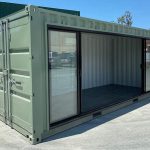
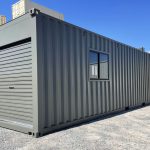
In its afterlife, the container reveals a different kind of utility. Decommissioned and repurposed, these “ghosts” of global trade find new roles as pop-up shops, affordable housing units, art studios, and emergency shelters. This recycling speaks to the container’s fundamental, enduring virtue: its simple, strong, and modular form.
In conclusion, the shipping container is far more than a corrugated steel box. It is a foundational technology of the modern age, an engine of globalization, and a catalyst for both economic growth and social disruption. It has shrunk the world, redefined the meaning of distance, and placed the products of the entire planet on our local shelves. As these silent giants crisscross the oceans and their retired counterparts find new purpose on land, they continue to embody a central paradox of our time: the power of a simple, standardized idea to create a world of immense complexity and profound connection. They are the unsung heroes and the quiet ghosts of our globalized existence.
Your email address will not be published. Required fields are marked *
 English