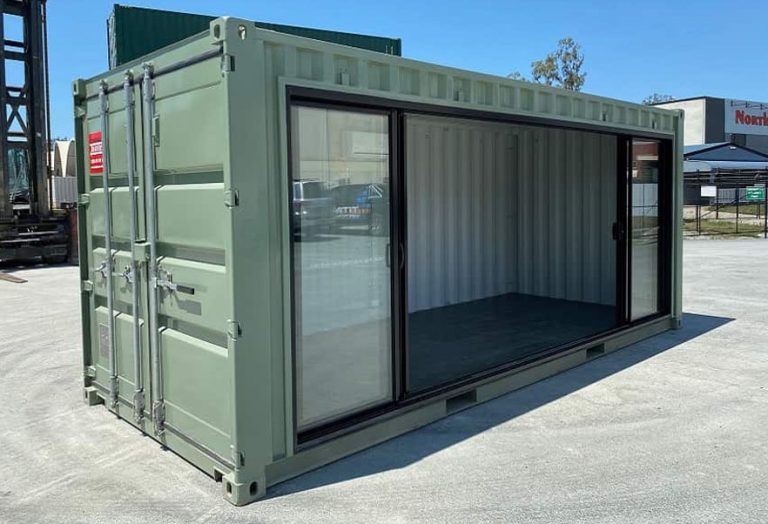
The shipping container, therefore, is far more than a logistical tool. It is a philosophical artifact, a materialized idea that has become a blueprint for our world. It champions standardization over custom, abstraction over intimacy, and modular systems over organic wholes. It has built a world of unparalleled material wealth and connection, yet it has also constructed invisible walls that simplify, distance, and isolate.

This physical internet has fundamentally altered our perception of space, time, and distance. The geographical constraints that once dictated economies have been dramatically reduced. It is now logistically straightforward and economically viable for a single product to be assembled from components sourced across a dozen countries, with each leg of its journey facilitated by the humble container.
Long before the container, ships carried ballast—water, sand, or rock—to maintain stability. This ballast became a notorious vector for invasive species, transporting marine life across oceans. The container era seemed, at first, to solve this. However, it created a new, and in some ways more insidious, pathway for biological invasion.

Finally, the concept of the container is being redefined beyond transportation. As with its retired cousins used for architecture, the container’s modularity is being applied to logistics itself. Pop-up “containerized” logistics hubs can be deployed rapidly to respond to disasters or market opportunities, bringing storage and distribution closer to the end-user.
To the untrained eye, a modern port is a chaotic symphony of noise and motion. Towering cranes, bustling trucks, and colossal ships create a scene of overwhelming industrial might. Yet, the true protagonist of this global ballet is a simple, unadorned rectangular box: the shipping container. Its story, one of humble origins and revolutionary impact, is the silent narrative of our modern, interconnected world.
 English